Traveling with THC for pain relief can seem simple when a person is using it legally under the laws of their home state, but crossing state lines can quickly create complicated legal issues. Cannabis laws in the United States vary widely from one jurisdiction to another, and products that are permitted in one state may be restricted or prohibited in another. This creates confusion for patients who rely on THC to manage chronic pain, inflammation, nerve discomfort, or other health conditions. Even when someone has a medical cannabis card, that authorization may not automatically protect them outside the state where it was issued. State reciprocity rules differ, possession limits vary, and some states may recognize only certain forms of cannabis or require separate registration. Because of these differences, individuals may unintentionally violate local laws simply by carrying a product that was lawfully purchased elsewhere.
State Laws Do Not Always Travel With the Patient
One of the most important legal challenges is that cannabis authorization is not the same as a universal prescription. Unlike many traditional medications, THC products remain subject to state-specific cannabis regulations and federal restrictions. A person traveling by car may pass through multiple states with very different rules about possession, use, packaging, labeling, and allowable THC concentration. What begins as a lawful medical product in one state can become an illegal substance once the traveler enters another jurisdiction. Airports, federal buildings, national parks, and border checkpoints can create additional complications because federal law may apply even within states that allow medical or recreational cannabis. This can be especially concerning for patients who assume that carrying documentation from a doctor or dispensary will be enough to avoid problems. In reality, such documents may help explain intent but may not prevent enforcement action where THC possession is prohibited.
Transportation and Intent Can Raise Questions
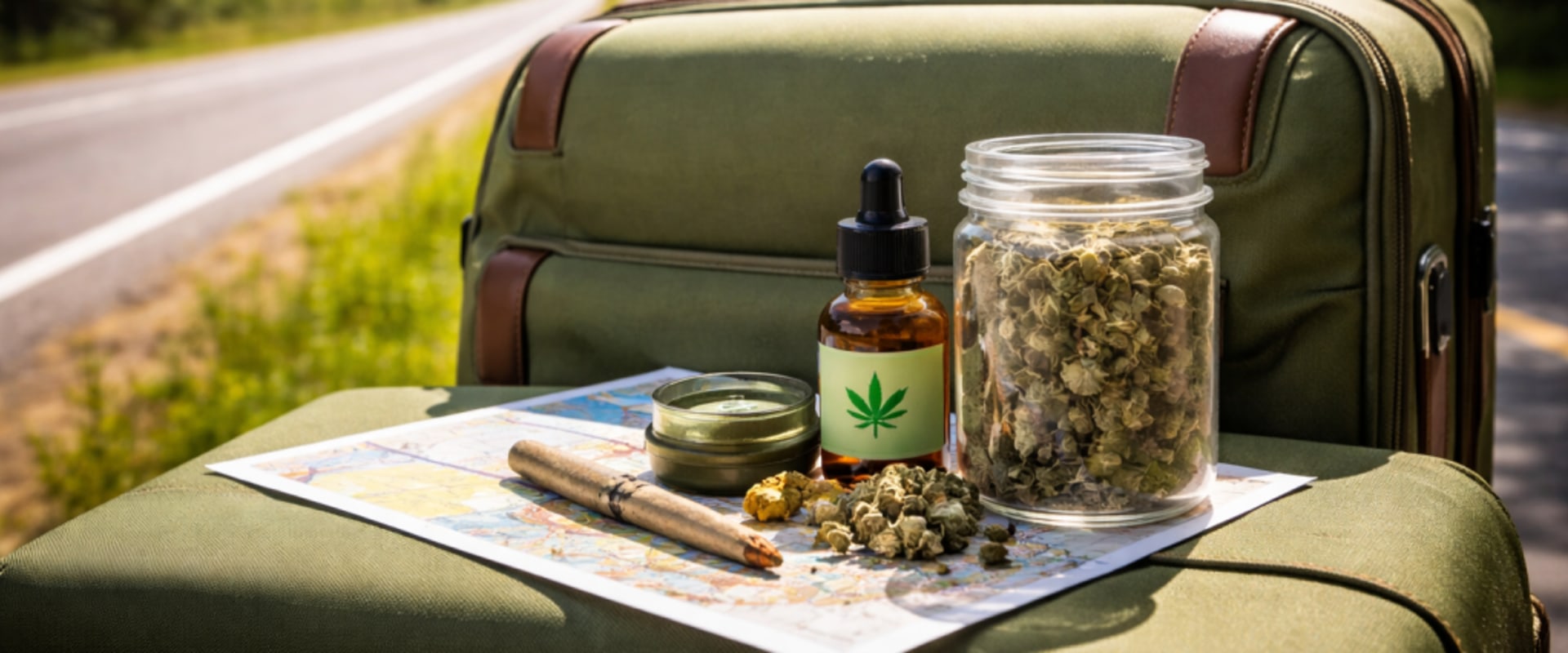
Legal risk can also increase depending on how THC products are transported. Open containers, unlabeled products, large quantities, or items stored within reach while driving may attract additional scrutiny during traffic stops. Law enforcement may question whether the product is for personal medical use, recreational use, or potential distribution, especially if the amount exceeds local limits. Driving while impaired introduces another serious issue because medical use does not provide a defense to operating a vehicle under the influence. Even patients using THC responsibly for pain must consider timing, dosage, and impairment laws before traveling. Legal professionals, including firms such as Jordan Law Accident & Injury Lawyers, often emphasize how quickly ordinary travel decisions can become legally significant when injury, liability, documentation, or state-specific regulations are involved. For THC users, that same need for careful preparation applies before crossing borders between jurisdictions.
Careful Planning Reduces Unnecessary Risk
Patients who rely on THC for pain management may reduce legal risk by researching the laws of every state they plan to enter, not just their destination. This includes checking possession limits, medical card recognition, product restrictions, transportation rules, and whether cannabis use is allowed in hotels, rental properties, or public spaces. Some travelers may choose to avoid carrying THC across state lines altogether and instead explore legal alternatives available at their destination. Others may consult an attorney or medical provider before travel when pain management needs are significant. Keeping products in original packaging, carrying medical documentation, avoiding use while driving, and understanding local restrictions can help, but these steps do not guarantee protection in states where THC remains unlawful. The key issue is that cannabis legality is not uniform, and assumptions based on one state’s rules can lead to unexpected consequences elsewhere. For anyone using THC to manage pain, careful legal awareness is just as important as medical planning, especially when travel involves crossing state lines where the same product may be treated very differently under the law.