Arthritis is a broad term that describes more than 100 conditions that affect the joints, causing stiffness, discomfort, and reduced mobility. For many people, these symptoms can interfere with daily activities, making simple tasks like walking, typing, or getting out of bed more challenging. Because of this, people often explore a wide range of options—from conventional medications to lifestyle changes—to manage their symptoms. In recent years, CBD (cannabidiol), a compound derived from the cannabis plant, has become one of the most talked-about alternatives for easing arthritis-related issues. Some individuals look to local sources such as Highest Farmacy in Markham for products, while others explore major retailers or online shops. But an important question remains: does CBD actually work for arthritis?
What CBD Is and How It Might Help
CBD is a non-intoxicating compound, meaning it doesn’t cause the “high” associated with THC. Researchers believe CBD interacts with the body’s endocannabinoid system—an internal network that influences how we experience sensations like discomfort and inflammation. Because inflammation is a significant factor in many types of arthritis, scientists have been curious about whether CBD could help calm inflammation in joint tissues.
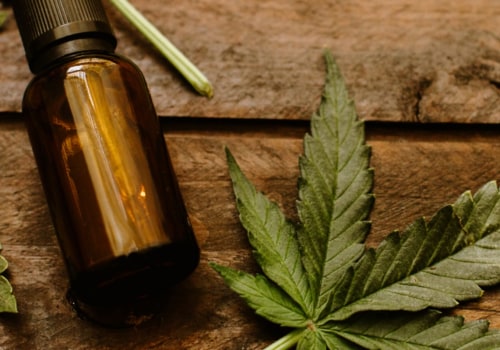
Early laboratory and animal studies provide some interesting clues. Some research shows that CBD may help reduce inflammatory markers, which might explain why some people report fewer flare-ups or stiffness when using CBD oils, topical creams, or capsules. Human studies, while still limited, have begun to explore similar effects. For example, a few small clinical trials have looked at CBD’s impact on chronic discomfort, noting that some participants reported modest improvements.
What Current Evidence Suggests
Even though CBD is widely popular, the scientific evidence is still developing. Large-scale clinical trials—the kind needed to make strong medical conclusions—are still relatively few. This means experts can’t say with complete confidence that CBD works for everyone with arthritis. What they can say is that some people report feeling relief, while others notice little difference.
Topical CBD products, like creams or balms applied directly to the skin, have gained attention among individuals with arthritis in their hands, knees, or wrists. Some users like that these products focus on specific joints without requiring them to ingest anything. Others prefer oils or capsules, which they feel create a longer-lasting effect. Because every person’s body responds differently, results can vary widely.
Safety, Limitations, and Practical Considerations
CBD is generally considered to have a low risk of serious side effects, but it can still interact with certain medications. That’s why health professionals recommend that anyone curious about CBD should talk to a doctor or pharmacist before trying it—especially if they are already taking medications for arthritis or other conditions.
It’s also important to understand that CBD is not a cure for arthritis. It may help with certain symptoms, but it won’t reverse joint damage or stop arthritis from progressing. Reliable products, accurate labeling, and proper dosing can also make a big difference, as the quality of CBD products can vary.
Final Thoughts
CBD shows potential for helping some people manage arthritis symptoms, particularly inflammation and discomfort. While the evidence is still growing, many individuals report positive experiences. Anyone considering CBD should approach it thoughtfully, consult a healthcare professional, and pay attention to how their body responds.